


Moisturizing Hand Salve

Updated: Jan 30
A simple DIY salve recipe for dry hands (and feet)
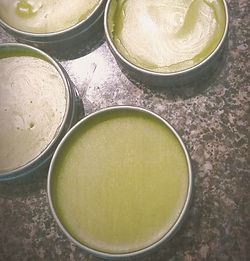
Tired of dealing with dry, cracked hands from everyday chores? Washing dishes, gardening, cleaning, frequent handwashing, and even cold weather take their toll on our hands. A simple homemade hand salve can make a noticeable difference in protecting and softening hardworking skin. Skip the store-bought products filled with unknown chemicals and craft your own nourishing blend using natural ingredients.
Homemade salves are easy to make and easy to customize. At their core, they are simply a blend of oil and beeswax; if you want to try your first salve as just oil and beeswax, go for it! Adding herbs and even essential oils allows you to tailor a salve to your skin’s needs. There are a variety of herbs and essential oils that offer moisturizing, skin-soothing, and healing properties.

What is a Salve?
Salves are sometimes also referred to as ointments or balms; they are a semi-solid topical preparation made with oil and beeswax, commonly used in herbal skincare. Unlike store-bought skincare products, homemade salves are free from harmful synthetic chemicals, giving you complete control over what goes onto your skin. Salves have a variety of uses, such as soothing irritated skin, calming bites or stings, moisturizing, healing wounds, vapor rub, lip balm, or solid perfume. The first salve I made was a hand moisturizer for my daughter, and we have both been hooked ever since.
Selecting an Oil
You can use plain oil or opt for an herb-infused oil for added benefits and enjoyment. When choosing an oil, consider these options:
Olive oil: affordable, nourishing, readily available
Almond oil: light, absorbs well, gentle on skin
Coconut oil: semi-solid at room temperature, emollient, and may help repair damaged skin
Avocado oil: rich and moisturizing for very dry skin
Jojoba oil: mimics skin's natural oils, with a non-greasy feeling
You can also use a combination of oils or add a butter like cocoa butter, mango butter, or shea butter for extra richness. When you are just getting started, use whatever oil you already have in your cupboard. There is no need to overthink it; you can use whatever culinary oil you have on hand.
Herb-Infused Oils
Just as the name implies, herb-infused oils are oils infused with the lipid-soluble constituents of herbs and can be combined with beeswax to make salves. There are a variety of ways to infuse an herb in oil. I prefer to make my infused oils with dried or partially wilted plants. More often than not, I will use the slow infusion folk method as I simply enjoy that method the most. To learn more about how to infuse oils, including the alcohol intermediary method, check out this blog, Herbal Infused Oils

Basic Infused Oil Method
Fill a clean glass jar about ½ – ⅔ full with chopped, dried herbs
Cover completely with oil, leaving a little headspace
Stir to release air bubbles and make sure all plant material is submerged
Cap, label, and store
Allow to infuse for 4–6 weeks, shaking occasionally
Strain and store in a clean, labeled jar
Cutting herbs into smaller pieces (or lightly powdering roots) increases surface area and improves extraction
Alcohol Intermediary Method
Some herbs contain valuable constituents that are water-soluble or alcohol-soluble, but not very oil-soluble. In these cases, using a small amount of alcohol first can improve the results.
An alcohol intermediary is optional, but it can noticeably improve the potency and effectiveness of some herbal oils and salves.
Powder and weigh your dried herb (note the weight)
Rehydrate with 100-proof vodka using a 2:1 ratio (herb weight to alcohol volume)
Example: 2 oz powdered herb + 1 fl oz vodka
Cover and let sit 12-24 hours
Use a 1:7 ratio (herb weight to oil volume)
Example: 2 oz herb + 14 fl oz carrier oil
Skin-Nourishing Herbs
Calendula (Calendula officinalis)
A favorite of many herbalists, calendula contains resins and triterpenoids that infuse beautifully into oil, while flavonoids extract more fully with a short alcohol soak
Alcohol intermediary: improves the extraction of flavonoids, which enhance the anti-inflammatory and antioxidant benefits
Lavender (Lavandula angustifolia)
Calms and soothes irritated skin, reduces redness, and has antimicrobial properties that can help prevent infection, and can provide a mild calming scent
Alcohol intermediary: not necessary
Plantain (Plantago major, P. lanceolata)
Oil infusions extract some allantoin, a compound that promotes cell regeneration and speeds wound healing by stimulating tissue growth
Alcohol intermediary: improves the extraction of aucubin and anti-inflammatory and moisturizing compounds
Licorice Root (Glycyrrhiza glabra)
A skin-brightening herb with the compound glabridin
Alcohol intermediary: significantly improves the extraction of glabridin (skin brightening), glycyrrhizin (anti-inflammatory), for more potent skin-brightening and anti-inflammatory effects
Rosemary (Salvia rosmarinus)
Oil extracts rosemary's lipophilic antioxidants (carnosic acid) and aromatic compounds that stimulate circulation and provide skin-protective benefits
Alcohol intermediary: helpful but not essential
Violet (Viola odorata)
Violets offer wonderful skin-soothing and protective properties for irritated or delicate skin
Alcohol intermediary: improves the overall skin-softening ability of the infusion
Purple Dead Nettle (Lamium purpureum)
A common yard weed that offers mild, soothing effects for dry or irritated skin
Alcohol intermediary: improves the extraction of flavonoids and phenolic compounds for enhanced anti-inflammatory benefits
Common Yard Daisies (Bellis perennis)
Contains anti-inflammatory triterpenes that help to soothe irritated skin or damaged skin and promote healing
Alcohol intermediary: improves the potency and efficacy of the anti-inflammatory properties
Linden (Tilia spp.)
Oil extracts some of linden's gentle, soothing compounds
Alcohol intermediary: improves the overall soothing and anti-inflammatory effects in salves
Tulsi (Ocimum sanctum)
Oil infusions extract some beneficial compounds, but for the best results, use an alcohol intermediary
Alcohol intermediary: significantly improves the extraction of ursolic acid (promotes collagen synthesis, protects skin barrier, anti-inflammatory) and eugenol (antimicrobial, anti-inflammatory)
Olive Leaf (Olea europaea)
Rich in antioxidants, with anti-inflammatory and antimicrobial properties, which can help protect the skin from damage and soothe inflammation
Alcohol intermediary: significantly improves the extraction of antioxidant, anti-inflammatory, and antimicrobial components that offer protection for the skin
Peach Leaves (Prunus persica)
Contains mild astringent and soothing constituents that can be used for irritated or allergy-prone skin
Alcohol intermediary: improves the extraction of tannins and phenolic compounds for better astringent and soothing effects

Skin-Nourishing Essential Oils
Essential oils are optional in salves and should always be used at appropriate dilution rates. When included, they can add aroma and additional skin-supportive qualities.
Lavender (Lavandula angustifolia)
Long-renowned for its skin healing properties, helping with burns, wounds, itching, rashes, general skin irritations, and more
Frankincense (Boswellia spp.)
Commonly used in skin care for its cicatrisant (skin healing) properties
Patchouli (Pogostemon cablin)
Often used in dry or cracked skin formulations, as it has been shown to help with skin healing and reduce inflammation
Helichrysum (Helichrysum italicum)
Skin care go-to oil that can help with wound healing, cell regeneration, and is anti-inflammatory
Moisturizing Hand Salve Recipe
For a simplified version, start with just one herb (lavender) and skip the essential oils and alcohol intermediary.
2 parts licorice root
1 part lavender flowers and leaves
1 part rosemary leaves
vodka
oil: almond oil or jojoba
beeswax, 1:4 ratio beeswax to oil
lavender essential oil (optional)
frankincense essential oil (optional)
Gather your dried herbs, enough to fill a mason jar halfway, then grind them to a coarse powder. (If you are not into the alcohol intermediary method, simply skip these steps and add the oil over the herbs.)
Weigh the herbs. Add 1 oz of vodka per 2 oz of herb. Cover and allow to sit for 12-24 hours.
Using a 1:7 ratio (herb weight to oil volume), add your oil, being sure to submerge the herbs.
Label and seal the jar, then set it aside for 4-6 weeks for slow infusion, or use a double boiler to gently heat the mixture for several hours. Once the oil is infused, strain off the herbs.
In a double boiler over low-medium heat, melt the 1 oz of beeswax per 4 oz of oil. You can heat the beeswax with some or all of your infused oil, or wait to add the oil until the beeswax is melted. Use minimal heat and time to prevent degradation of the oils. Remove from heat once the beeswax is melted and the oil is incorporated with the melted beeswax.
If adding essential oils, cool the beeswax-oil blend slightly before adding them.
For a 0.5% dilution, add up to 3 drops of essential oil per ounce of infused oil
For a 1% dilution, add up to 6 drops per ounce of infused oil
Stir well to disperse the essential oils.
Pour the mixture into salve tins or small glass jars.
Be sure to label your final product with the ingredients and date you made it.
For easier clean-up after melting beeswax, wipe the container with a paper towel before the wax hardens. If the wax hardens, reheat it to remelt it.
Final Thoughts
These simple preparations work by supporting the skin’s natural protective and repair processes. Now that you have the basics of creating your own salve, it's time to let your creativity run wild! Don't be afraid to switch up the herbs, proportions, or essential oils to suit your preferences or address specific skin concerns. Maybe you want to infuse some vibrant violet for its soothing properties or add sweet orange essential oil for an energizing twist. The possibilities are nearly endless!


Comments